The free software that runs the world
A student’s hobby project in 1991 now runs the internet, Android and every top supercomputer. Next battleground: open AI models.
This story is also becoming a short film for YouTube. Music only, sources on screen.
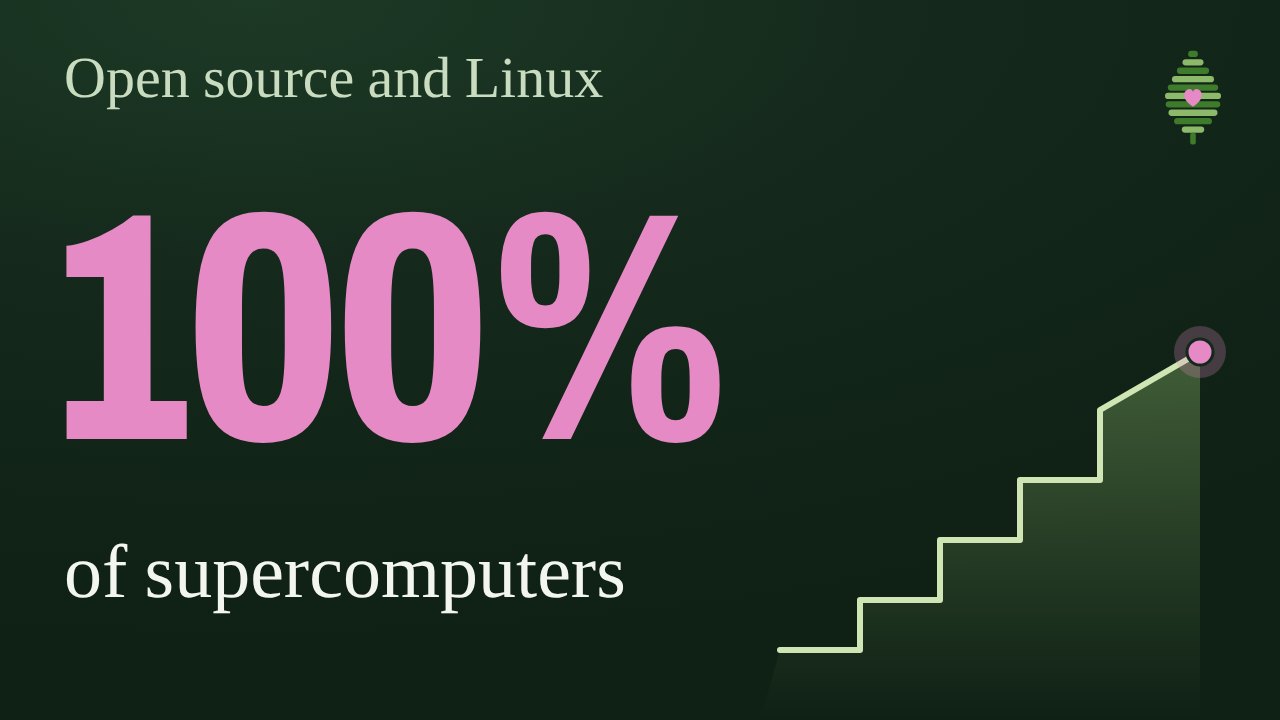
In 1991 a 21-year-old Finnish student, Linus Torvalds, posted that he was writing a free operating system, “just a hobby”. Since 2017, Linux has run every computer on the TOP500 list of the world’s fastest.
Open-source software underpins the internet, the cloud and the phone in most people’s pockets. The newest front is AI, where “open-weight” models compete with closed ones.
Tap any underlined term for a plain-English explanation.
The story in one chart
Drag to slide, zoom, click any moment.- Milestone
- Turning point
- Drag to slide, scroll the strip to zoom, click a marker
How it works
Open-source software publishes its code for anyone to use, study and improve. It sounded like a hobbyist idea; it became the foundation of the modern internet. Linux runs servers, Android phones, routers, cars and every one of the world’s 500 fastest supercomputers.
The line shows Linux’s share of the TOP500 supercomputer list. The newest front is AI, where “open-weight” models from Meta, DeepSeek and others compete with closed ones.
The turning points
All 12 moments on the full timeline →- 01Aug 1991
Linux
Finnish student Linus Torvalds posts that he is writing a free operating system, “just a hobby, won’t be big”. Combined with GNU tools, Linux becomes a complete system.
- 02Feb 1998
“Open source” is born
Netscape releases its browser code and the term “open source” is coined to make free software appeal to business.
- 03Sept 2008
Android
The first Android phone ships. Built on Linux, Android becomes the world’s most common operating system.
- 04Jan 2025
DeepSeek
China’s DeepSeek releases its R1 reasoning model with open weights. Its low reported training cost briefly wipes hundreds of billions off Nvidia’s market value.
Go deeper
More stories
All 19 stories →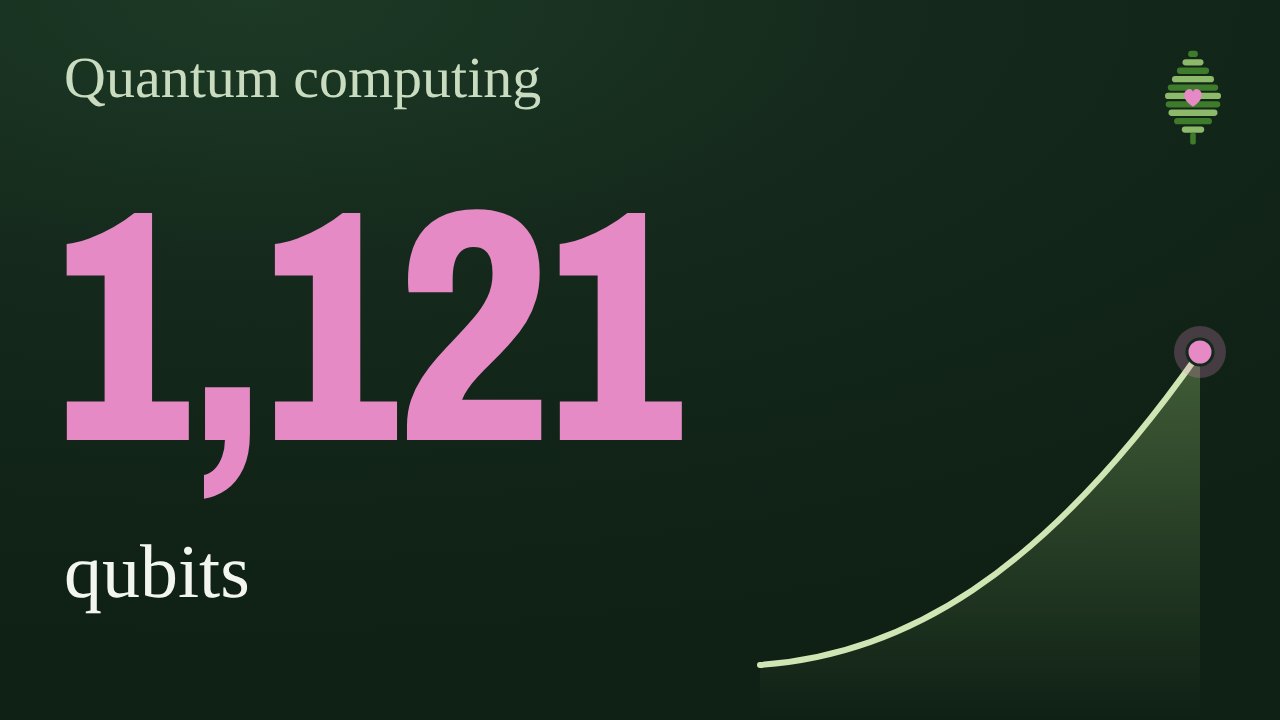 Film coming soonData story 18 · Software and frontier techThe quantum race: counting the qubits that countFour decades from Feynman’s thought experiment to machines with a thousand qubits. Why the real race is for reliable ones.
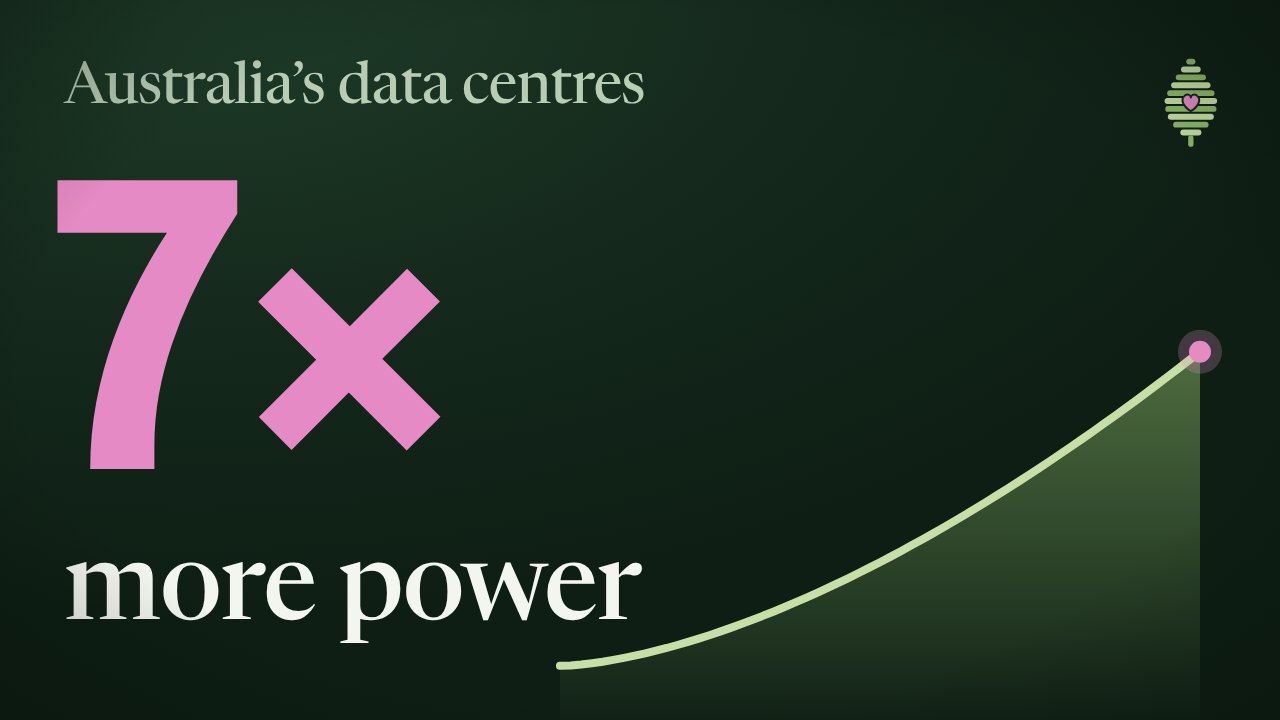 Film · 8:10Data story 01 · Data centres and powerAustralia’s data centre and power boomAEMO now expects data centres to use seven times more electricity within a decade. Here’s where they’re going, who’s queuing to plug in, and who pays.
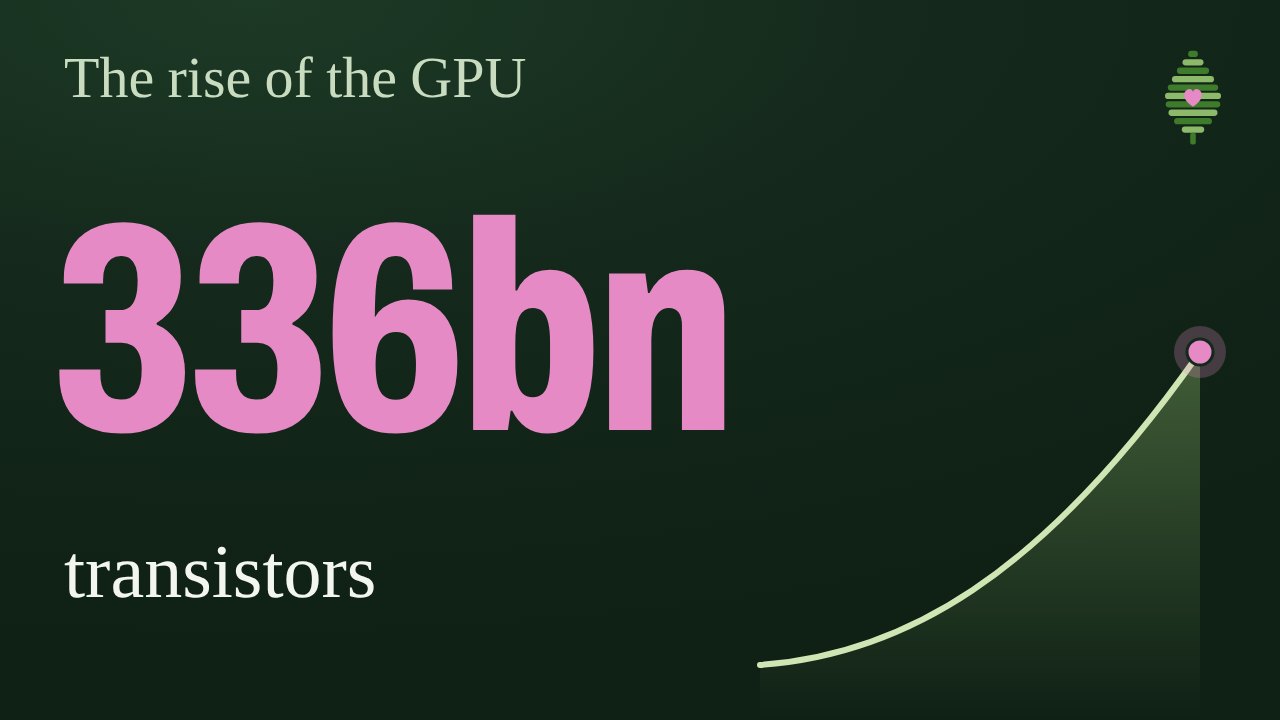 Film coming soonData story 02 · AI and computeThe GPU that ate the worldA chip built to draw video games became the engine of AI. How the graphics card beat the CPU, and why Nvidia got there first.