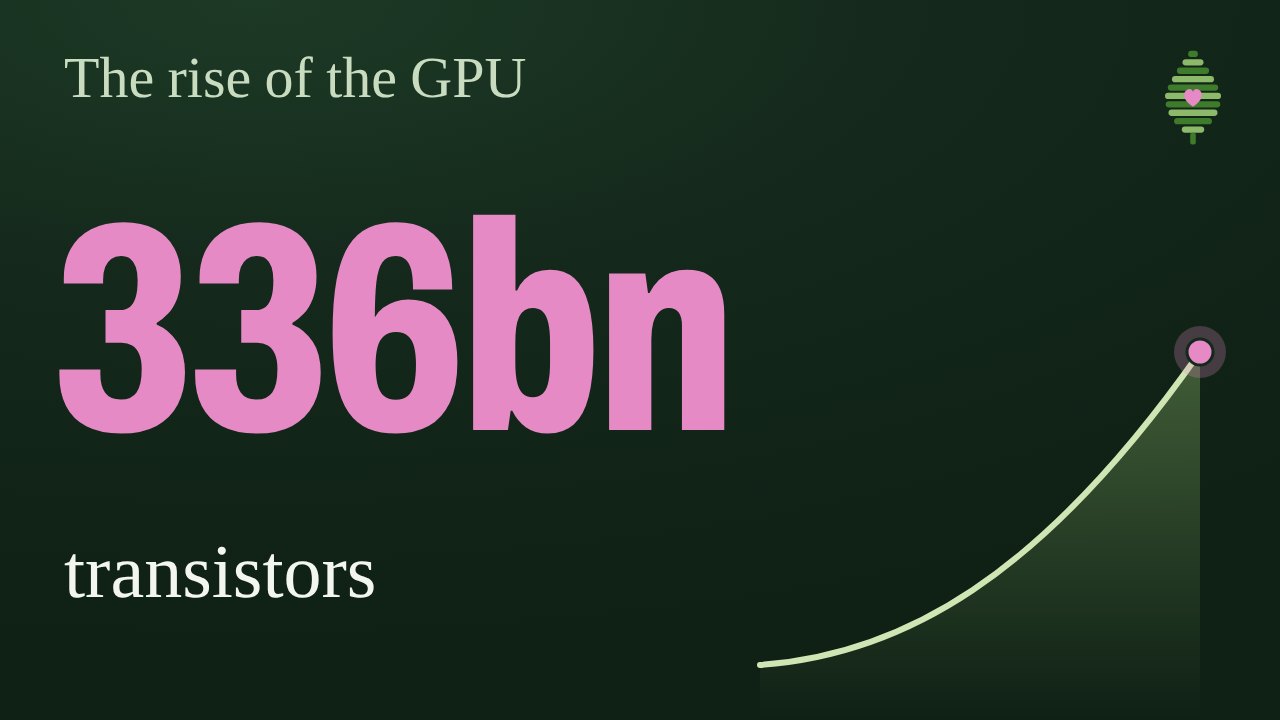
The numbers336bn transistors on one GPU4.8bn on mobile internetUS$168bn cloud spend in a quarter485 TWh used by data centres13.6m Starlink subscribersUS$4.44m per data breach
 Film coming soonData story 02 · AI and compute
The GPU that ate the world
A chip built to draw video games became the engine of AI. How the graphics card beat the CPU, and why Nvidia got there first.
Read the storyA short, plain-English story with the key numbers up front.
Drag the timelineEvery story has an interactive timeline: slide, zoom, click any moment.
Tap a termJargon is underlined. Tap it for a thought bubble that explains it.
Check the dataCharts, CSV downloads and every source, linked.
Watch the filmEach story becomes a short film on YouTube. Music only, sources on screen.
Stories
19 stories, each with a timeline, the data and a film on the way.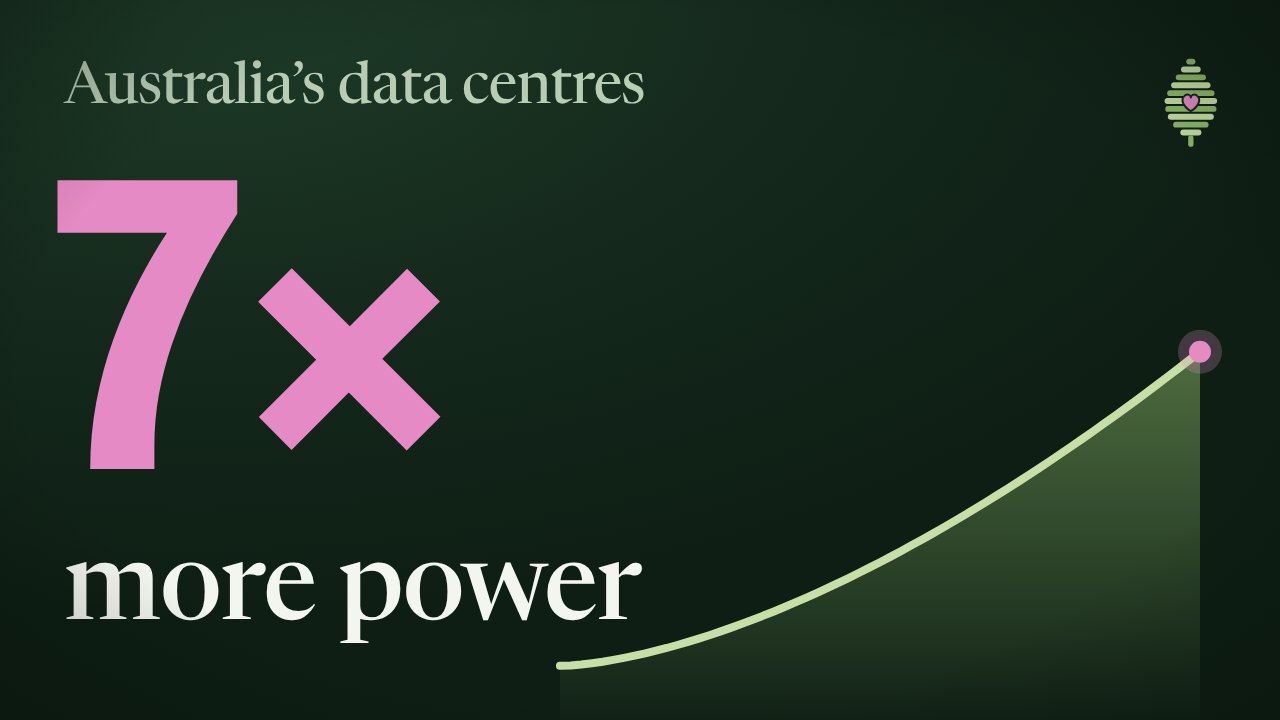
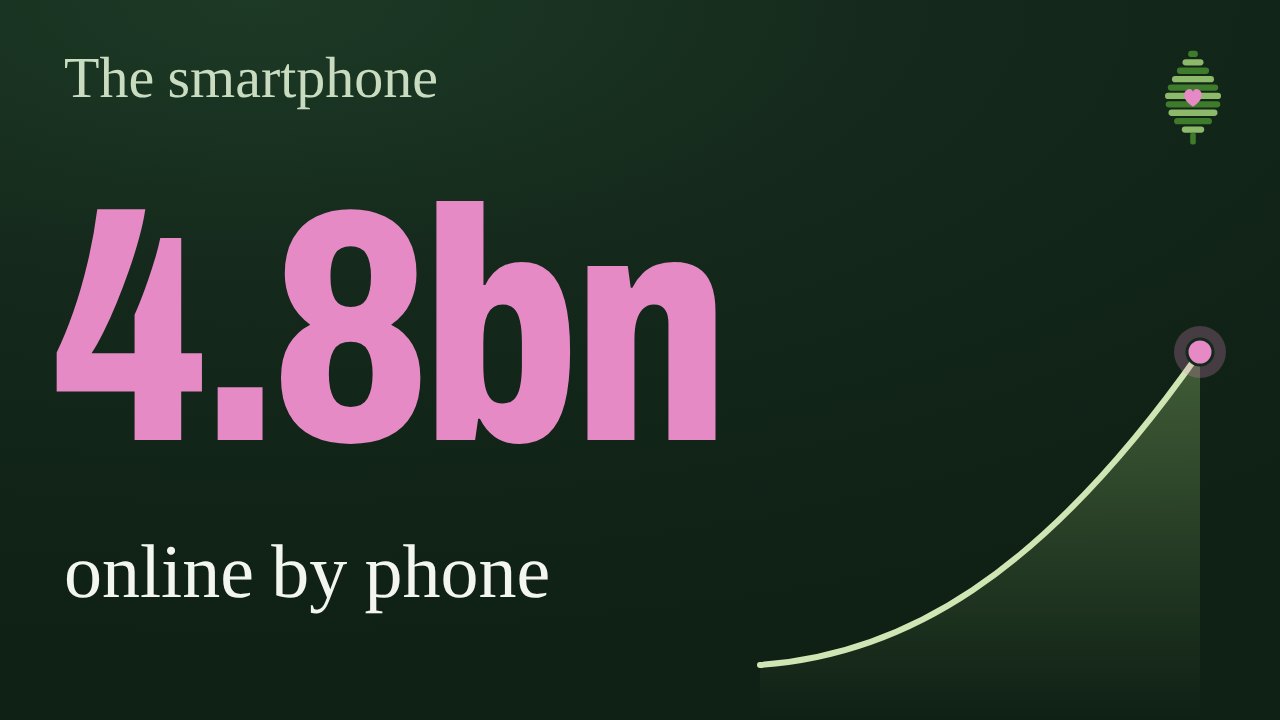
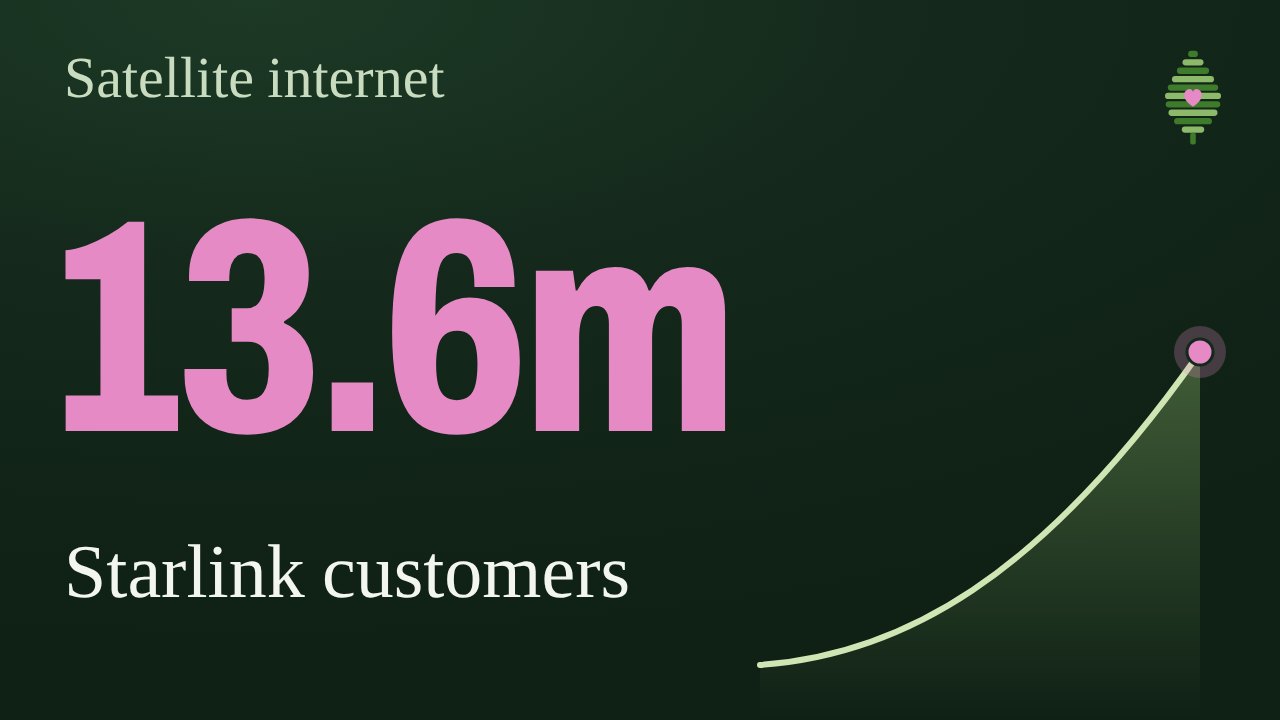
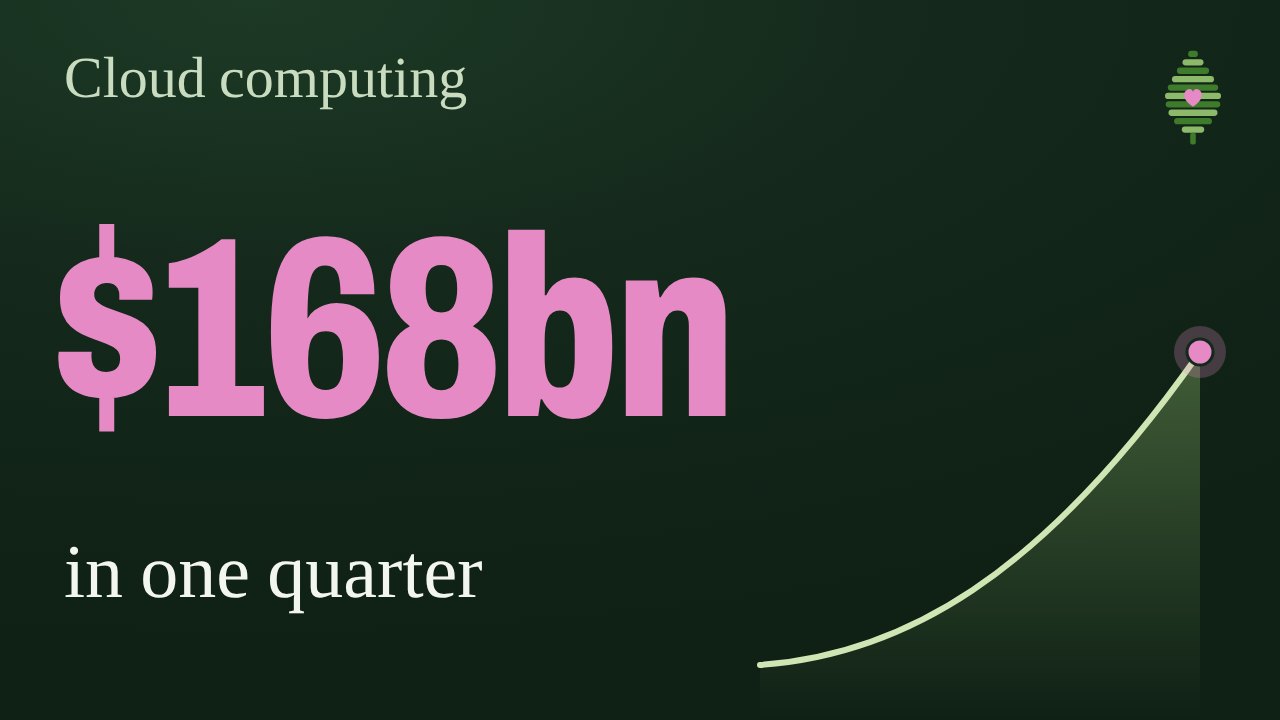
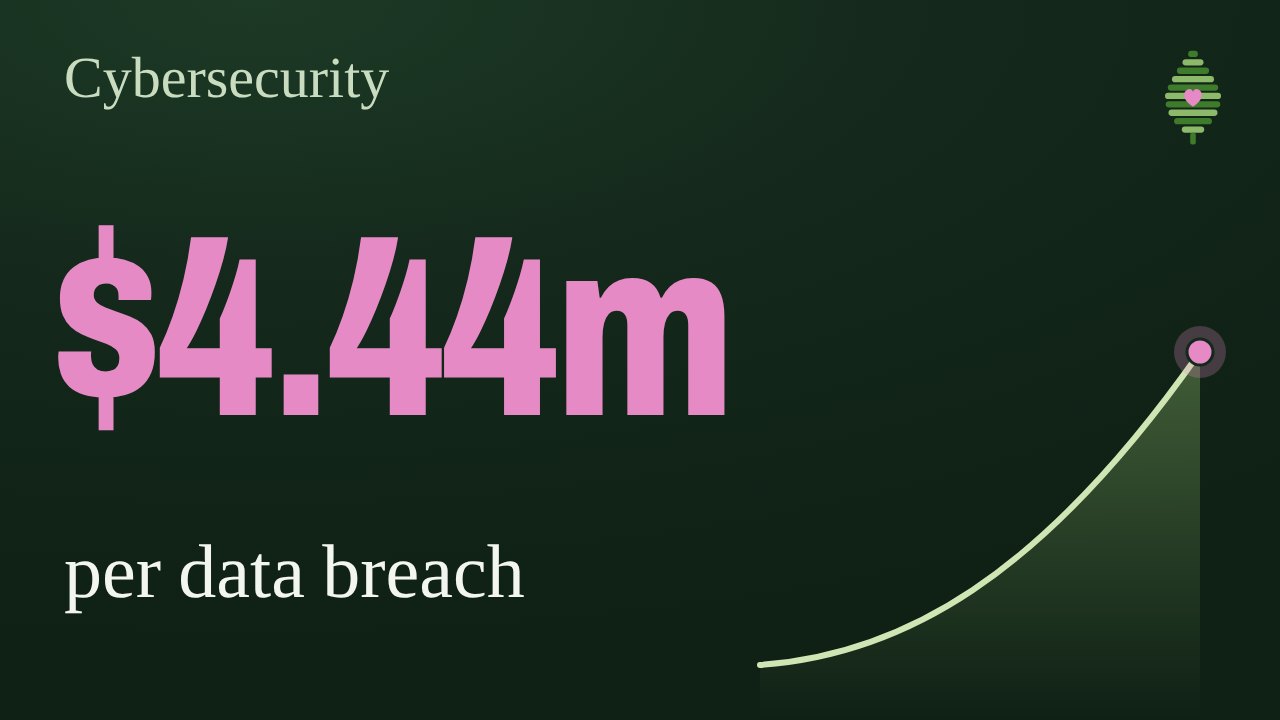
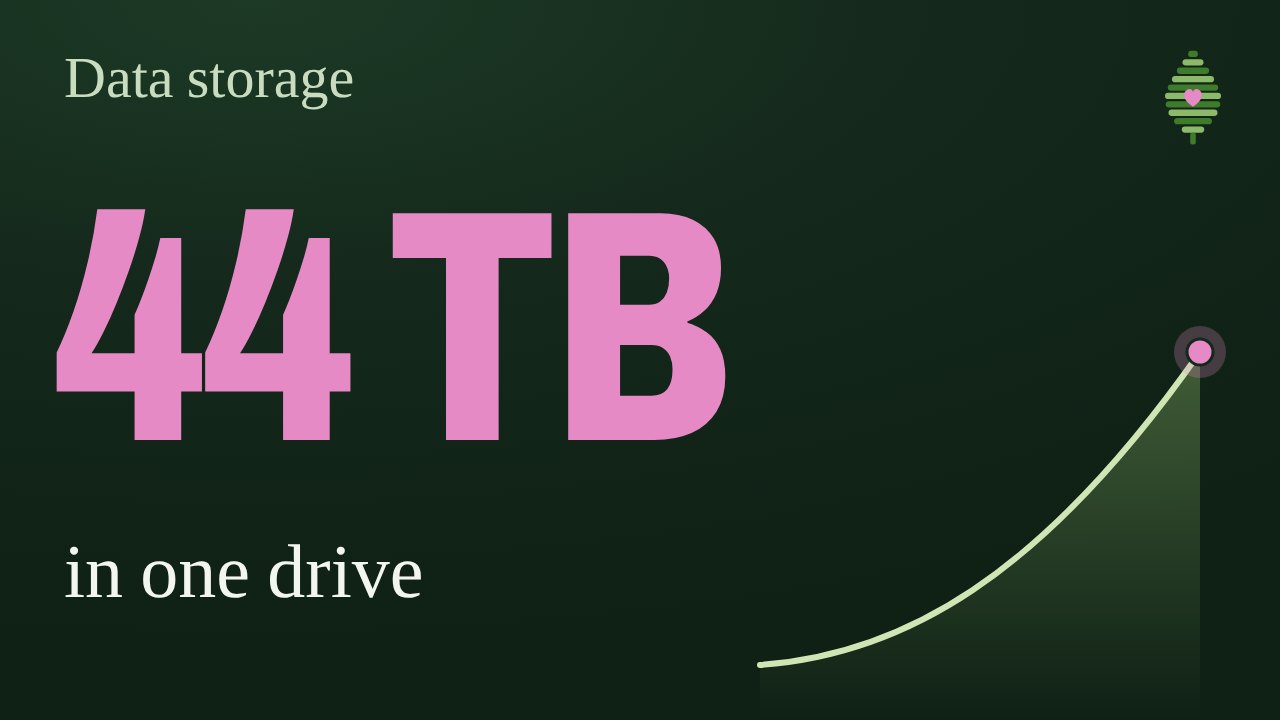
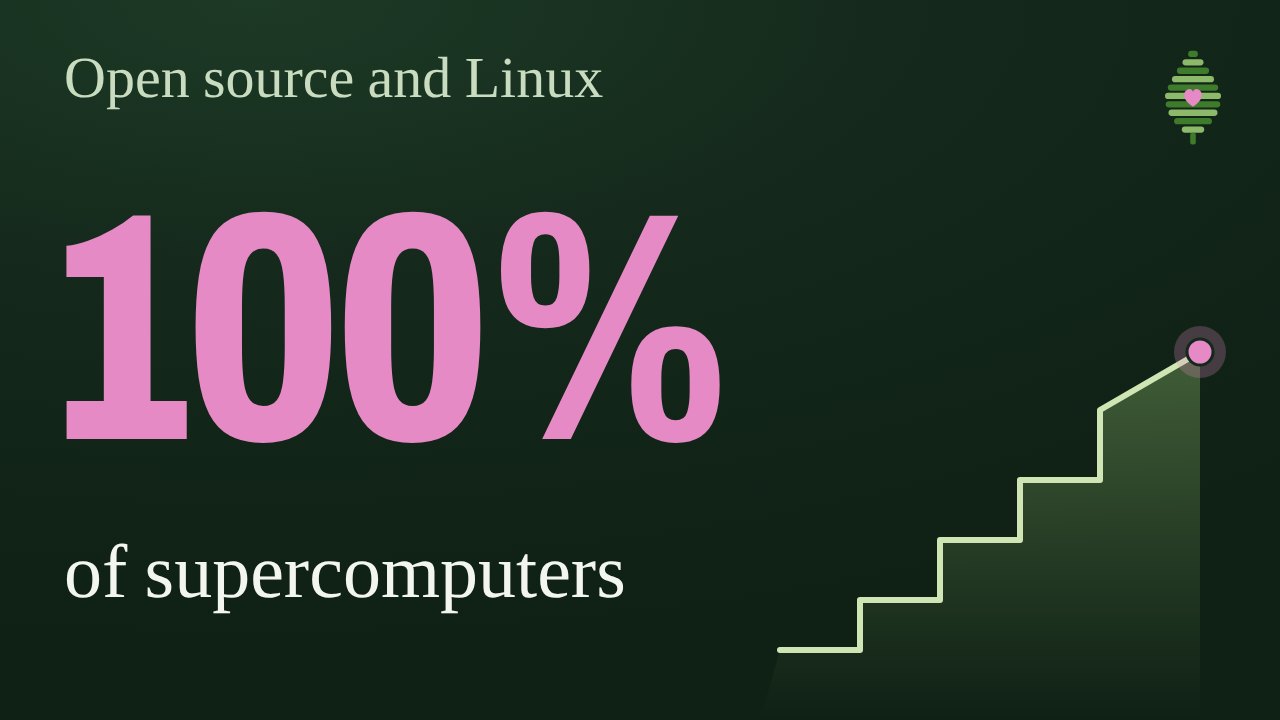
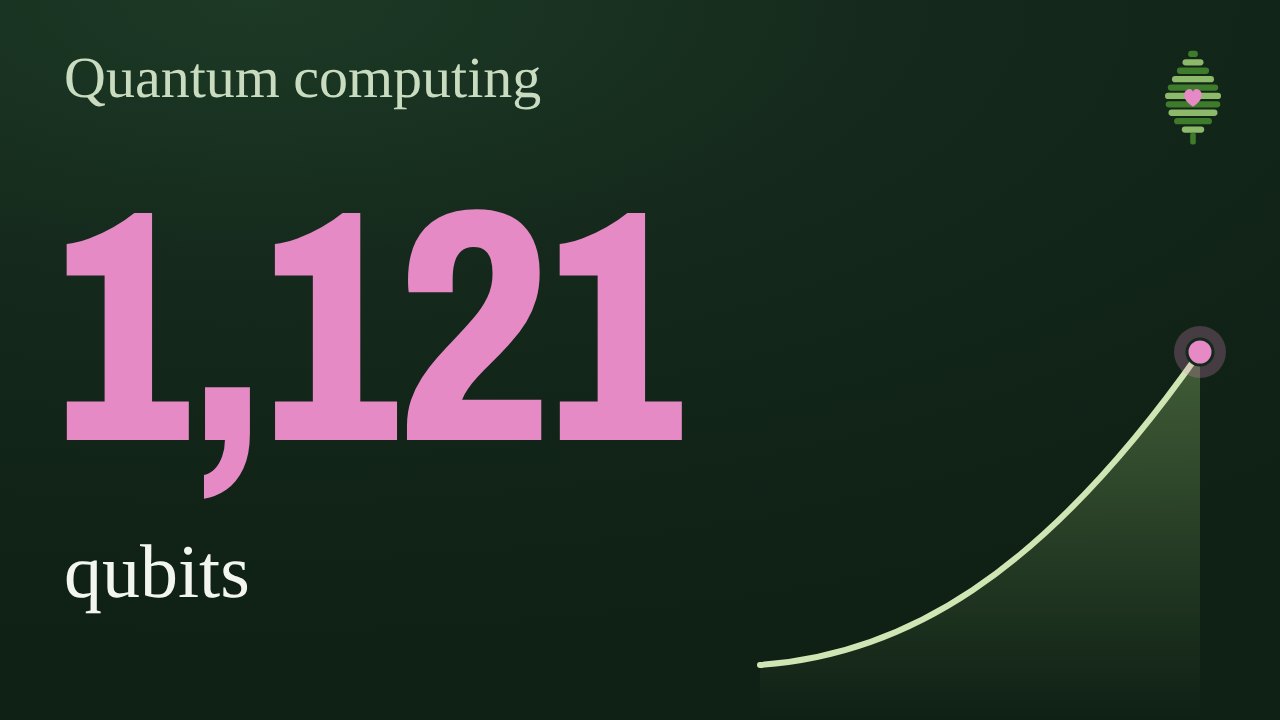
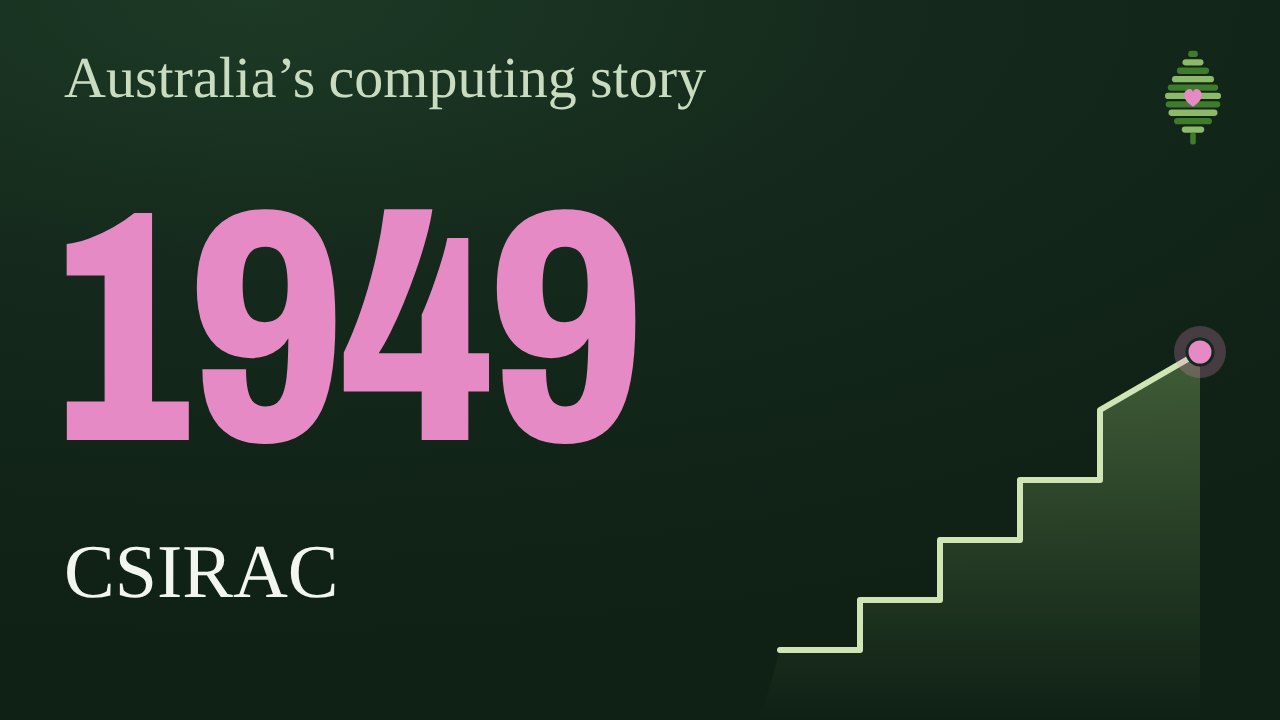
Chart of the week
Press play, switch to Linear, tap a chip.From 2,300 transistors to 336 billion
Fifty-five years of chips in one chart. Press play to watch GPUs overtake CPUs, then read how a gaming chip became the engine of AI.
Read the storyThink about itIf a chip designed for video games ended up powering AI, which of today’s niche technologies might power the next big shift?
From 2,300 to 336 billionTransistors per chip, selected CPUs and GPUs (log scale)
Hover or tap a dot for the chip. Switch to Linear to see how sharp the AI-era climb really is.
Preview · 8:108:10
Now showing: Australia’s data centre and power boom · 8:10
Coming soon
- The GPU that ate the world
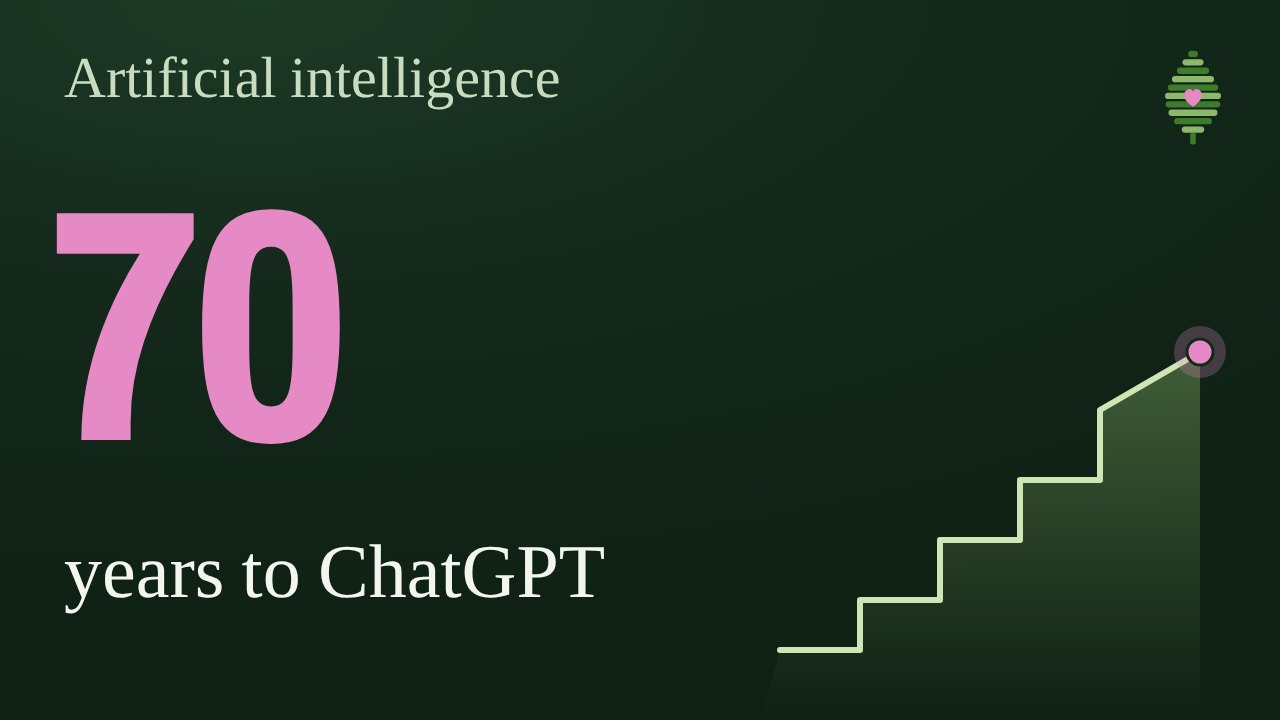 Seventy years of AI: two winters and a gold rush
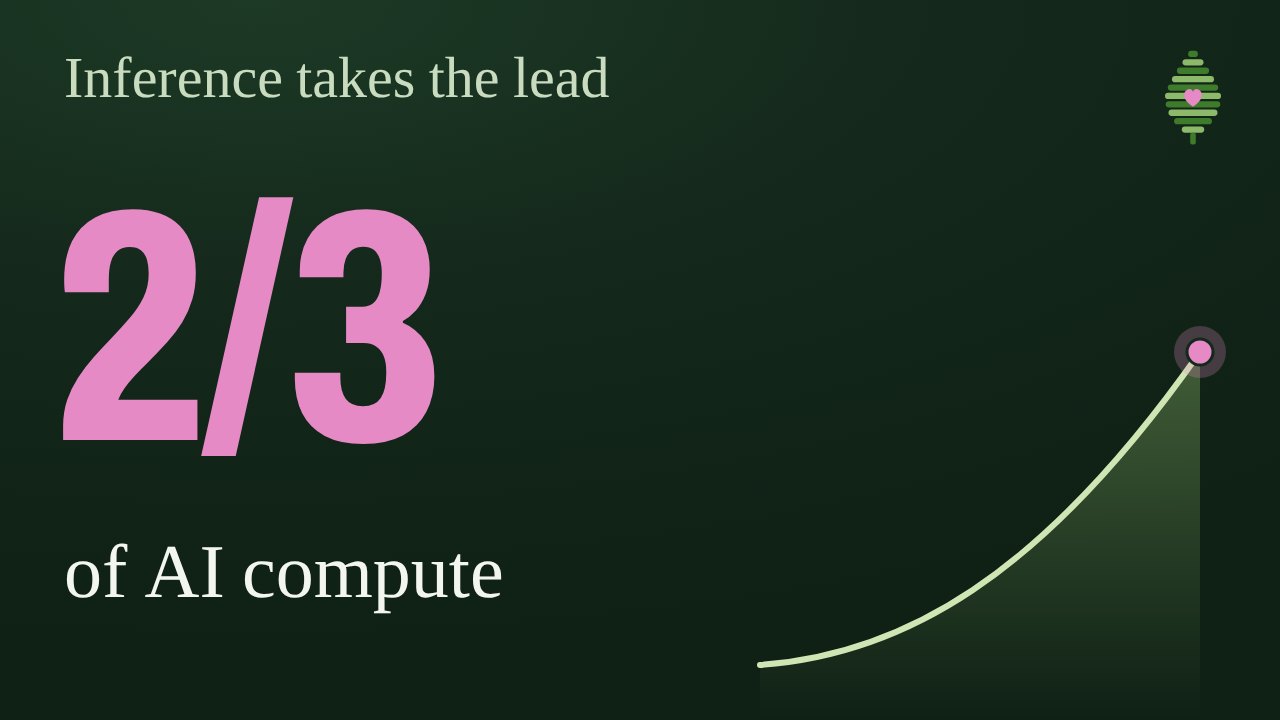 Inference is the new gold rush
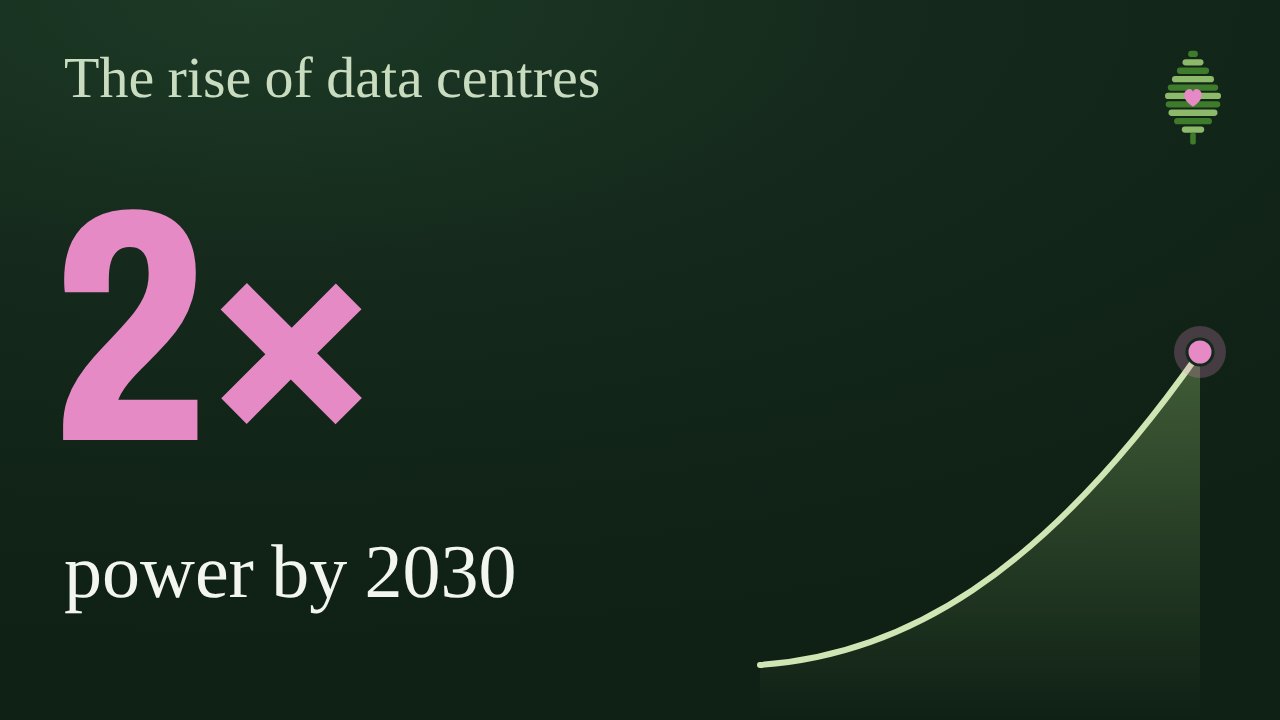 The world’s data centre boom
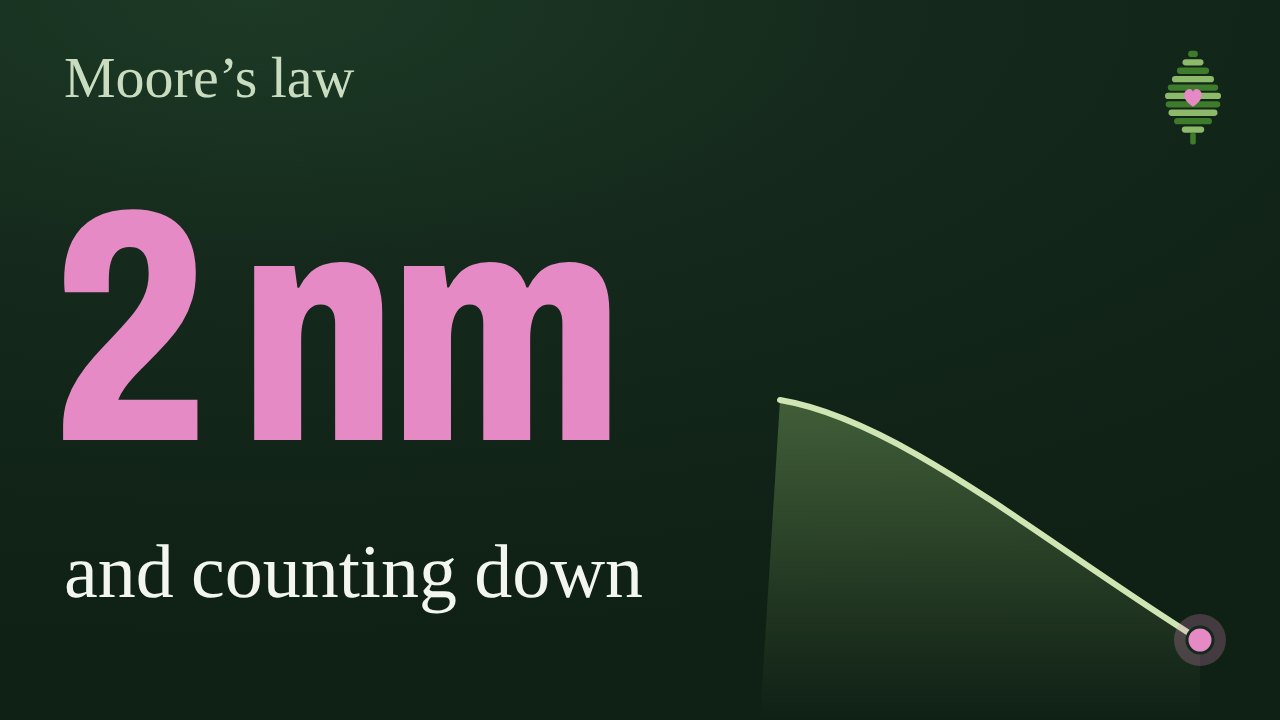 Is Moore’s law finally over?
 The memory wall: AI’s hidden bottleneck
 From ENIAC to your pocket: the digital computer
 The internet lives under the sea
By the numbers
The world of tech in eight numbers. Every figure sourced.336bn
transistors on Nvidia’s Rubin GPU (2026), up from 2,300 in 1971
Nvidia; Intel
4.8bn
people use mobile internet on their own phone: 59% of the world
GSMA, 2026
US$168bn
spent on cloud in one quarter (Q3 2026), up 55% in a year
Synergy Research
485 TWh
used by data centres worldwide in 2025, heading for ~950
IEA
13.6m
Starlink subscribers, up from 4.6m at the end of 2024
SpaceX, Oct 2026
~2/3
of AI computing spent on inference in 2026, up from ~1/3
Deloitte
US$4.44m
average cost of a data breach; US$10.22m in the US
IBM, 2025
100%
of the world’s 500 fastest supercomputers run Linux
TOP500
1943 to nowArtificial intelligence26 moments1936 to nowThe digital computer20 moments1946 to 2035The rise of data centres16 moments1971 to nowThe rise of the GPU17 moments2012 to nowInference takes the lead9 moments1858 to nowInternet and undersea cables17 moments1965 to nowMoore’s law and chipmaking13 moments1953 to nowThe memory wall and HBM13 moments1981 to nowQuantum computing16 moments1949 to nowAustralia’s computing story16 moments2003 to nowSocial media and young people19 moments2007 to now4G and the internet giants14 moments1973 to nowThe smartphone15 moments1961 to nowCloud computing12 moments1971 to nowCybersecurity13 moments1951 to nowData storage13 moments1957 to nowSatellite internet13 moments1969 to nowOpen source and Linux12 moments
Eight beats, one lens
Global tech, told with dataAI and computeThe models, the GPUs that train them and the shift to inference.3 interactive timelines · 3 storiesChips and hardwareTransistors, memory, storage and the machines they make.5 interactive timelines · 5 storiesData centres and powerThe electricity, water and money behind the compute boom.1 interactive timeline · 2 storiesInternet and connectivityCables under the sea, phones in our pockets and satellites overhead.3 interactive timelines · 3 storiesPlatforms and societyHow social media and the smartphone changed how we live, especially for the young.2 interactive timelines · 1 storyBig Tech and moneyWho makes the profits, from mobile ads to the cloud.2 interactive timelines · 2 storiesSecurity and privacyWorms, ransomware, breaches and what they cost.1 interactive timeline · 1 storySoftware and frontier techOpen source, quantum computing and what comes next.2 interactive timelines · 2 stories