The smartphone: the computer in almost five billion pockets
From a one-kilogram phone call in 1973 to the most widely owned computer in history, and why growth is now slowing.
This story is also becoming a short film for YouTube. Music only, sources on screen.
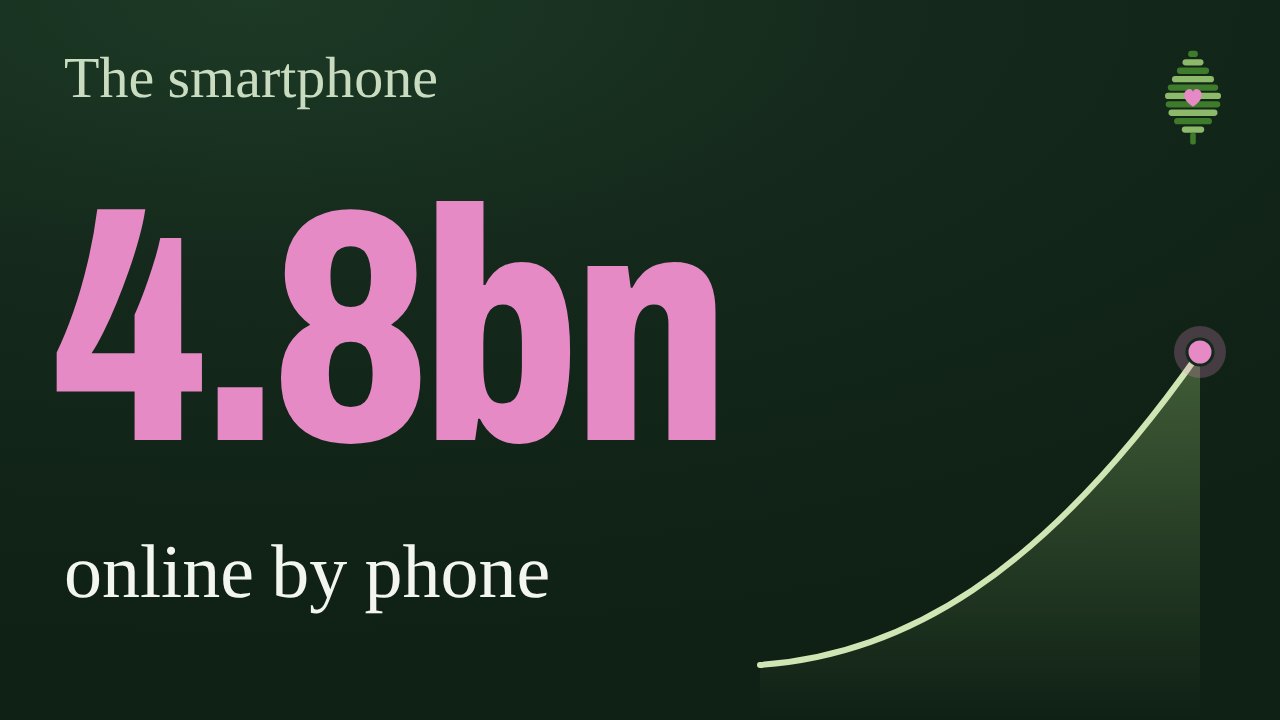
The smartphone folded the camera, the map, the bank and the newspaper into one device. By the end of 2025, 4.8 billion people used mobile internet on their own phone, about 59% of the world.
But the curve is flattening. Only about 160 million people came online in 2025, and rising component costs are pushing entry-level phones out of reach for the 3.4 billion who still are not connected.
Tap any underlined term for a plain-English explanation.
The story in one chart
Drag to slide, zoom, click any moment.- Milestone
- Turning point
- Drag to slide, scroll the strip to zoom, click a marker
How it works
The smartphone is the most widely owned computer in history. It folded the camera, the map, the music player, the bank branch and the newspaper into one device, and it moved the internet from the desk to the pocket.
The growth curve is now flattening. Most people who can afford a phone and live under a signal already have one; the next billion are held back by cost, not coverage.
The turning points
All 15 moments on the full timeline →- 01April 1973
The first handheld call
Motorola’s Martin Cooper makes the first call from a handheld mobile phone on a New York street. The prototype weighs about a kilogram.
- 02Jan 2007
The iPhone
Steve Jobs unveils the iPhone: a multi-touch screen, a real web browser and no physical keyboard. It goes on sale that June.
- 03July–Sept 2008
App Store and Android
Apple opens the App Store in July. In September the HTC Dream becomes the first Android phone. The app economy begins.
- 04Oct 2023
A smartphone majority
The GSMA reports that 54% of the world, about 4.3 billion people, now owns a smartphone.
54%own a smartphone - 052025
Growth slows
Mobile internet users reach 4.8 billion, but only about 160 million people came online in 2025, down from 190 million the year before. Rising component costs are pushing up entry-level phone prices.
4.8bnusers
Go deeper
More stories
All 19 stories →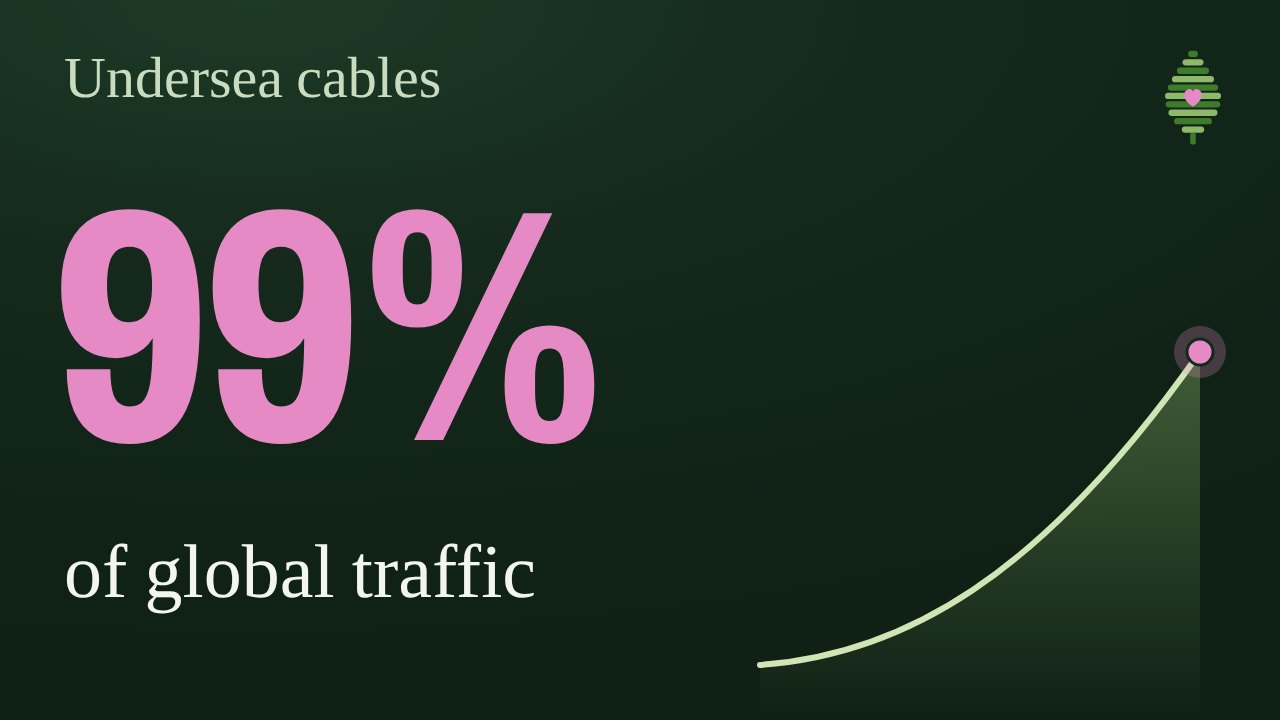 Film coming soonData story 09 · Internet and connectivityThe internet lives under the seaSatellites get the attention, but almost all the world’s data crosses oceans on cables as thin as a garden hose.
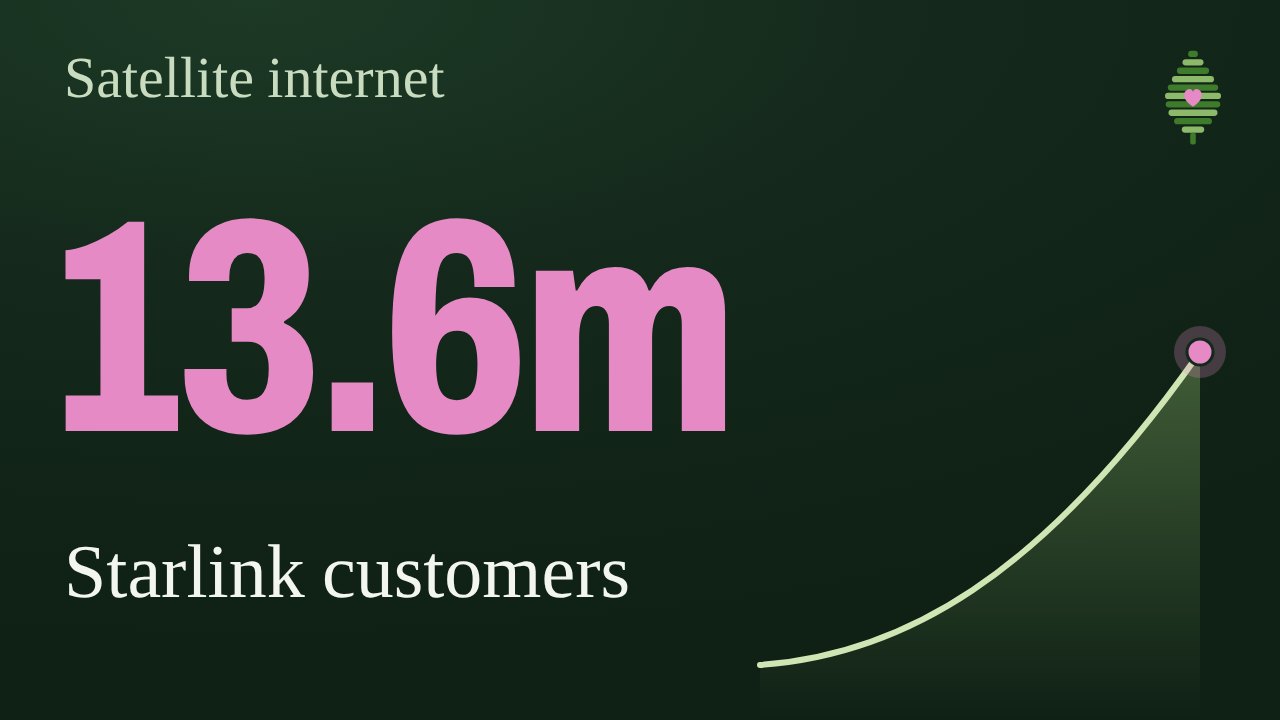 Film coming soonData story 11 · Internet and connectivityStarlink and the race for orbitInternet from space used to be slow and expensive. Thousands of low-flying satellites changed that in six years.
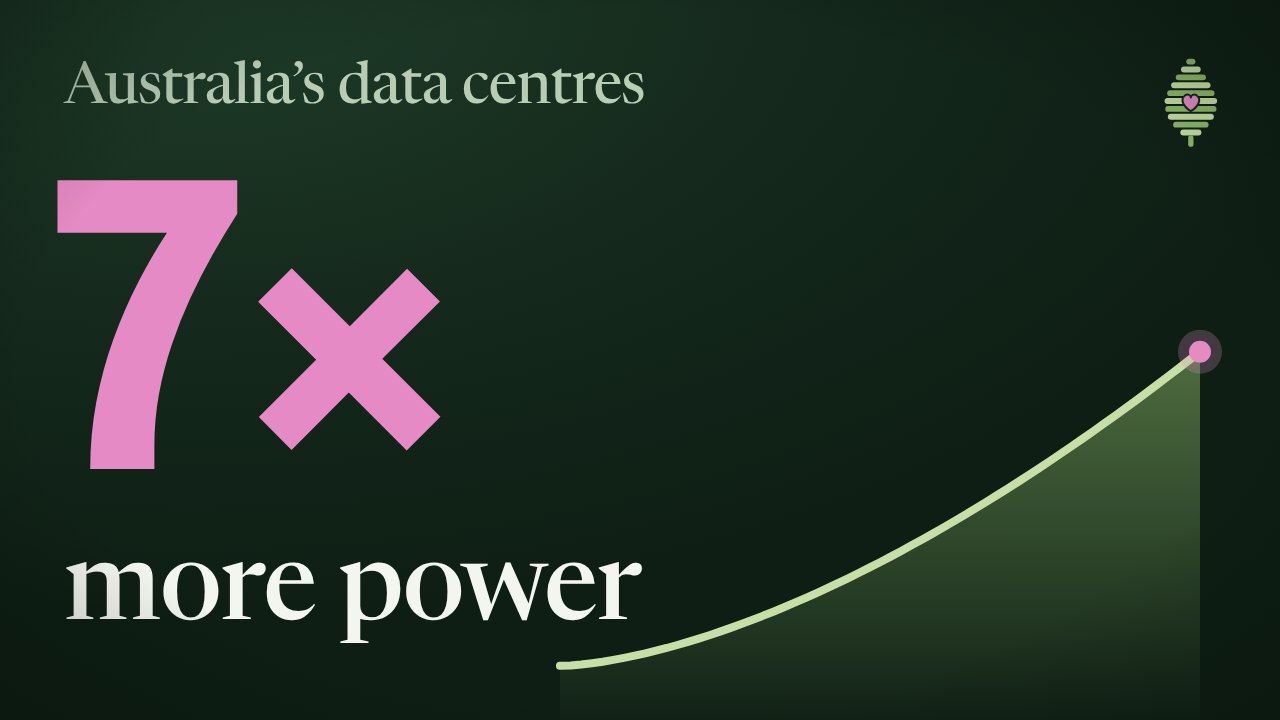 Film · 8:10Data story 01 · Data centres and powerAustralia’s data centre and power boomAEMO now expects data centres to use seven times more electricity within a decade. Here’s where they’re going, who’s queuing to plug in, and who pays.